

Introduction
Financial inclusion is no longer just a policy goal; it is a cornerstone for sustainable economic growth in emerging African markets. Across the continent, millions of individuals and small businesses remain on the margins of the formal financial system, often relying on cash-based transactions, informal savings schemes, or fragmented payment channels. This exclusion limits opportunities for personal wealth growth, business expansion, and participation in the global economy.
Africa’s digital economy is experiencing unprecedented growth. The numbers tell a compelling story: mobile money transactions across the continent exceeded $700 billion in recent years, with Sub-Saharan Africa accounting for nearly half of the world’s mobile money accounts. Countries like Kenya have achieved mobile money penetration rates exceeding 80% of the adult population figures that surpass even developed nations in digital payment adoption.
This isn’t just about transactions. A young, tech-savvy population with a median age of just 19 years, compared to 38 globally, is eager to participate in the global economy. They’re building startups, creating content, freelancing for international clients, and seeking investment opportunities beyond their borders. In cities from Lagos to Nairobi, from Accra to Kigali, a new generation of digital entrepreneurs is emerging, armed with smartphones and ambition.
Yet despite this momentum, the continent stands at the cusp of a financial revolution that remains frustratingly incomplete. A critical piece of infrastructure remains underdeveloped: reliable on-ramps that connect traditional finance with digital assets and modern financial services. These on-ramps, which bridge between local currencies and the broader digital economy, are often expensive, slow, unreliable, or simply non-existent in many markets.
The paradox is striking. Africa leads the world in mobile money innovation, yet many Africans struggle to convert their mobile money into international currencies, access global e-commerce platforms, or receive payments from overseas clients. The infrastructure that enabled the first wave of financial inclusion now risks becoming a ceiling that limits the next phase of economic growth.
One of the most effective ways to bridge this gap is through financial on-ramp entry points that allow users to access digital financial services such as mobile wallets, online banking, and even cryptocurrencies. On-ramps are not just gateways; they are enablers that unlock opportunities for millions who have been excluded from the financial ecosystem.

Understanding On-Ramps in the African Context
An on-ramp is essentially a mechanism that allows people or businesses to enter the digital financial ecosystem by converting cash or traditional money into digital financial assets. In the African context, on-ramps are critical because they serve as the first point of access to a wide range of financial services that were previously inaccessible to large segments of the population.
The African Financial Landscape
Africa is home to some of the fastest-growing mobile money markets in the world. Countries like Kenya, Nigeria, Ghana, and South Africa have seen remarkable adoption of digital financial services, driven largely by mobile phones. Despite this progress, many individuals remain unbanked, and SMEs often face challenges in accessing international financial systems. This is where on-ramps play a transformative role; they bridge the gap between cash economies and formal financial systems.
Types of On-Ramps
On-ramps in Africa can take several forms:
- Mobile Money Platforms:
Services like M-Pesa, Airtel Money, and MTN Mobile Money allow users to deposit cash at local agents and convert it into digital money. These platforms have been pivotal in bringing financial services to rural and underserved areas. - Fintech Platforms:
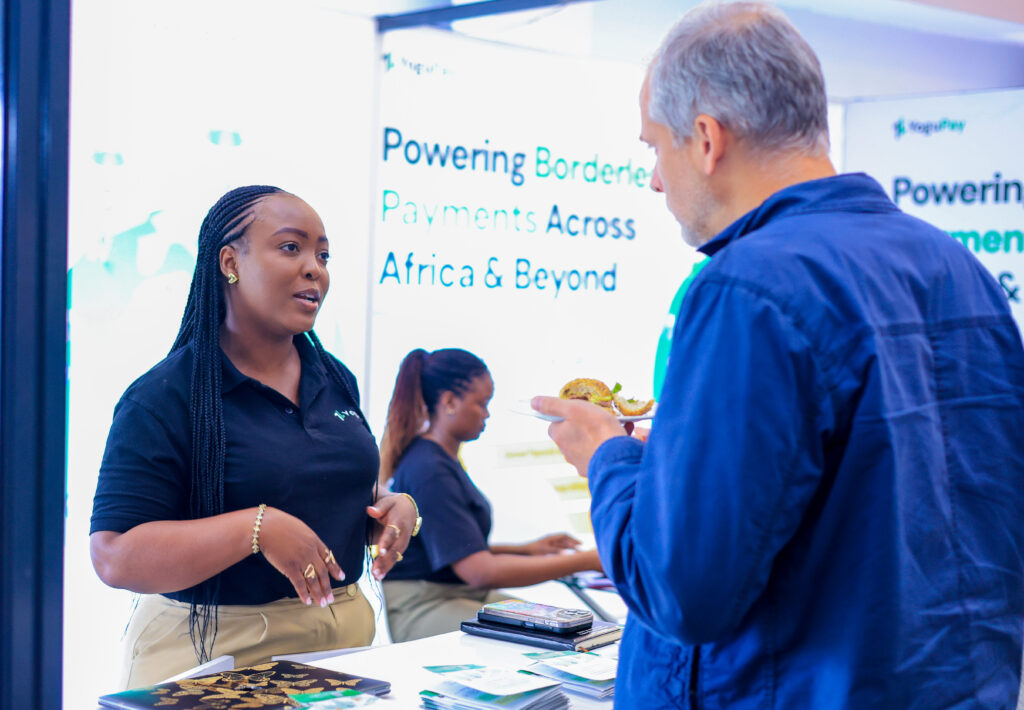
Platforms such as Yogupay enable businesses to manage cross-border transactions, convert currencies, and access international payment networks. For SMEs, this removes traditional barriers like high banking fees, slow transaction times, and regulatory complexities. - Cryptocurrency Exchanges:
While still emerging, crypto on-ramps provide an alternative for individuals and businesses to transact digitally, store value, and access decentralized financial services without relying solely on traditional banks.
Why On-Ramps Are Unique in Africa
Several factors make on-ramps particularly vital in the African context:
- Cash-Heavy Economies: A significant portion of everyday transactions in Africa is still conducted in cash. On-ramps provide a safe and convenient method to enter the digital financial ecosystem.
- Financial Exclusion: Many Africans lack access to formal banking, credit facilities, or international payment systems. On-ramps bridge this gap, offering opportunities for both individuals and SMEs.
- Cross-Border Trade: Africa’s growing SME sector requires seamless cross-border payment solutions. Platforms like Yogupay act as critical on-ramps, enabling businesses to trade internationally without facing the hurdles of traditional banking.
- Mobile-First Behavior: Africa has leapfrogged traditional banking infrastructure, with many users relying solely on mobile devices for financial transactions. On-ramps designed for mobile accessibility are therefore crucial for adoption.
The Social and Economic Impact of On-Ramps in Africa
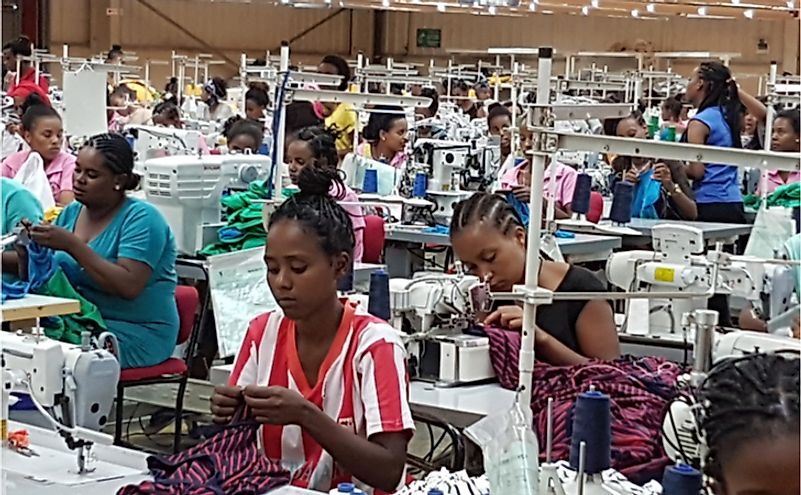
On-ramps do more than just facilitate transactions; they have far-reaching social and economic effects that transform communities, businesses, and the broader economy. Their influence extends from empowering individuals to strengthening entire markets.
1. Driving Financial Empowerment
For millions of Africans, access to digital financial services through on-ramps is life-changing. Individuals can now:
- Save securely: Instead of keeping cash at home, users can store money digitally, reducing the risk of theft and loss.
- Access credit: Digital transaction histories create a track record that lenders can use to offer microloans or other forms of credit.
- Invest and grow wealth: Digital platforms allow even low-income individuals to participate in investment opportunities, creating long-term financial growth.
2. Boosting Small and Medium Enterprises (SMEs)
SMEs are critical for economic growth in Africa, but many struggle with payments, currency exchange, and international transactions. On-ramps like Yogupay empower these businesses by:
- Simplifying cross-border payments, allowing them to import goods or export services without banking bottlenecks.
- Reducing transaction costs makes it cheaper to receive and send money internationally.
- Providing financial transparency which builds credibility with suppliers, partners, and investors.
This means that an artisan in Ghana can sell products online to international buyers, receive payments in their local currency, and scale their business without being limited by traditional banking challenges.
3. Enabling Economic Participation
On-ramps help integrate more people into the formal economy. Digital financial access allows individuals and businesses to:
- Pay bills and taxes electronically, increasing government revenue and efficiency.
- Participate in e-commerce platforms, opening new markets and revenue streams.
- Receive international remittances quickly and securely, boosting household income.
A family in Rwanda, for example, can receive remittances from relatives abroad directly to a mobile wallet, which can then be used to pay for school fees, healthcare, or start a small business.
4. Reducing Inequality and Promoting Inclusion
By providing access to financial services regardless of location or income, on-ramps are helping reduce economic inequality. Rural communities and women often excluded from formal banking can now access digital financial tools, saving, investing, and running businesses more effectively.
5. Driving Innovation and Market Growth
On-ramps also foster innovation in financial services. Fintech platforms, including Yogupay, are creating new solutions tailored for African markets, from currency conversion tools to simplified cross-border payment systems. This innovation attracts investment, creates jobs, and drives overall economic growth.

Why Traditional Banking Falls Short
The conventional banking system in many African countries wasn’t built for the majority. With high minimum balance requirements, expensive account maintenance fees, and limited branch networks in rural areas, traditional banks have effectively excluded large portions of the population.
Mobile money providers like M-Pesa revolutionized access by meeting people where they are, but even these services face limitations when connecting to global financial systems. Converting mobile money to foreign currency, accessing international payment platforms, or participating in digital commerce often requires navigating a maze of intermediaries, each taking their cut.
The Real Cost of Poor On-Ramps
When on-ramps are inadequate, everyone pays the price:
- For individuals, inefficient on-ramps mean losing 5-15% of transaction value to fees and unfavourable exchange rates. For someone earning $100 a month, losing $10 to transfer fees isn’t just inconvenient, it’s devastating.
- For businesses, poor on-ramps limit market access. E-commerce platforms struggle to accept payments from African customers. Freelancers and remote workers find it difficult to receive payments from international clients. Startups can’t easily access global investment capital.
- For economies, restricted financial access means trapped potential. Remittances, which totalled over $100 billion to Africa in 2023, are depleted by excessive fees. Entrepreneurship is stifled. Economic growth remains constrained.
What Effective On-Ramps Look Like
The most successful on-ramps in emerging African markets share several characteristics:
- Local payment integration: They work seamlessly with existing mobile money platforms, bank accounts, and even cash-based systems through agent networks.
- Competitive pricing: Transaction fees are transparent and reasonable, typically under 2-3% rather than the double-digit percentages common with traditional remittance services.
- Speed and reliability: Transactions settle in minutes, not days, with minimal downtime or technical failures.
- Regulatory compliance: They navigate the complex regulatory landscape while maintaining user privacy and security.
- User-friendly design: The interface accommodates varying levels of digital literacy and works on basic smartphones with intermittent internet connectivity.

Why On-Ramps Are Critical for Financial Inclusion
1. Bridging the Unbanked Gap
Despite rapid growth in mobile money adoption, a large portion of the population in Africa remains unbanked. These individuals often lack access to basic financial services such as savings accounts, credit facilities, or investment tools.
On-ramps act as a first point of contact, allowing unbanked individuals to enter the digital financial ecosystem safely. Through these entry points, people can begin building financial histories, gaining access to credit, and participating in the broader economic opportunities that were previously inaccessible.
2. Empowering Small Businesses
SMEs are the backbone of Africa’s economy, but many struggle to access international markets due to payment and currency challenges. On-ramps like Yogupay provide SMEs with seamless solutions for cross-border payments, converting local currencies to foreign currencies, and vice versa.
By simplifying international transactions, SMEs can expand their operations, source materials globally, and accept payments from international clients. This empowerment translates into job creation, increased revenue, and stronger economic resilience for entire communities.
3. Reducing Transaction Costs and Barriers
Traditional banking infrastructure can be expensive, slow, and geographically limited. On-ramps such as mobile wallets, fintech platforms, and cryptocurrency exchanges remove these barriers. Users can transact at lower costs and greater speed, often directly from their smartphones.
This efficiency not only benefits individuals but also makes African markets more competitive globally. Businesses can process payments quickly, remittances can reach families faster, and financial services can reach rural or underserved areas that banks cannot easily access.
4. Enhancing Trust and Security
Many users are hesitant to adopt digital financial tools due to concerns about fraud, mismanagement, or a lack of understanding. On-ramps play a dual role: they educate users on how digital finance works and provide secure transaction mechanisms.
Platforms like Yogupay ensure transparency, compliance, and reliability, building trust among users who may have previously relied solely on cash. By creating a secure and user-friendly entry point, on-ramps help accelerate digital adoption and foster long-term financial confidence.
Success Stories Worth Noting
Several innovations demonstrate what’s possible when on-ramps are done right. In Nigeria, platforms that integrate with local banks and mobile money have enabled millions to participate in digital commerce. In Kenya, the maturity of the mobile money ecosystem has created natural bridges to more advanced financial services. In South Africa, crypto exchanges that accept local payment methods have opened doors to global digital assets.
These successes share a common thread: they met users where they are, rather than expecting users to adapt to foreign systems designed for different markets.

Challenges and Future Opportunities for On-Ramps in Africa
While on-ramps have transformed financial inclusion in Africa, there are still challenges to overcome. At the same time, these challenges present opportunities for innovation, investment, and growth across the continent.
Key Challenges
- Digital Literacy and Awareness
Many potential users, especially in rural areas, lack the knowledge or confidence to use digital financial tools. Without proper education, the adoption of on-ramps remains limited. For instance, a small business owner may have access to a platform like Yogupay, but without understanding how to use it for currency conversion or cross-border payments, the potential benefits are lost. - Regulatory Complexity
Cross-border payments and digital finance operate under complex regulations that vary by country. While these regulations are necessary to prevent fraud and money laundering, they can slow adoption and increase operational costs for fintech providers and SMEs alike. Harmonizing regulations across borders remains a critical challenge for African markets. - Connectivity and Infrastructure Limitations
Reliable internet and mobile network access are still uneven across Africa. Many rural and semi-urban areas experience connectivity issues, making it difficult for individuals and businesses to fully leverage digital on-ramps. - Trust and Security Concerns
Skepticism around digital financial systems persists due to concerns about fraud, cyberattacks, and transaction failures. Establishing robust security protocols and educating users about safe practices are essential for increasing trust.
Future Opportunities
Despite these challenges, the future of on-ramps in Africa is full of potential:
- Fintech Innovation
Platforms like Yogupay are continuously innovating to provide user-friendly, secure, and scalable solutions. Future innovations could include AI-powered financial advisory, seamless multi-currency wallets, and integration with e-commerce and global trade platforms. - Expansion of Cross-Border Trade
On-ramps can enable African SMEs to participate more actively in international markets. By simplifying foreign exchange and cross-border payments, businesses can scale operations globally, increasing competitiveness and economic growth. - Public-Private Partnerships
Governments, fintech companies, and development agencies can collaborate to expand financial literacy, improve infrastructure, and harmonize regulations. Such partnerships could accelerate adoption, especially in underserved communities. - Increased Mobile Penetration
Africa’s mobile-first behavior provides fertile ground for on-ramp adoption. As smartphones become more affordable and internet coverage improves, digital financial services will reach more individuals, including women, rural populations, and youth. - Financial Inclusion as an Economic Driver
By enabling more people and businesses to participate in the digital economy, on-ramps can drive GDP growth, reduce poverty, and foster inclusive development. The potential impact is enormous: households gain financial stability, SMEs grow, and communities thrive.
Why Platforms Like Yogupay Are Key
Platforms like Yogupay are at the forefront of addressing these challenges while seizing opportunities. By providing secure, compliant, and user-friendly cross-border payment solutions, Yogupay empowers individuals and SMEs to navigate the complexities of digital finance confidently. Their tools reduce costs, simplify currency exchange, and expand market access, making them a critical partner for Africa’s financial inclusion journey.

Conclusion
Financial inclusion isn’t just about convenience; it’s about dignity, opportunity, and economic empowerment. Effective on-ramps aren’t just nice to have; they’re essential infrastructure for Africa’s economic future. Getting them right means unlocking the potential of hundreds of millions of people ready to contribute to and benefit from the digital economy. The technology exists. The demand is clear. Now it’s time for the financial ecosystem to deliver on-ramps worthy of Africa’s ambition.
On-ramps are far more than a convenience; they are essential gateways to financial inclusion in emerging African markets. By enabling individuals to convert cash into digital assets and giving businesses the tools to participate in formal and cross-border financial systems, on-ramps empower entire communities to engage meaningfully in the economy.
The transformative impact goes beyond individual users. Households gain access to savings, credit, and investment opportunities, fostering financial stability and resilience. Small and medium-sized enterprises (SMEs), which form the backbone of Africa’s economy, can scale their operations, tap into global markets, and manage cross-border transactions efficiently through platforms like Yogupay. By bridging local and international financial systems, these platforms reduce barriers, lower costs, and increase trust in digital finance critical factors in driving sustainable economic growth.
Moreover, the proliferation of on-ramps strengthens the continent’s position in the global digital economy. By creating inclusive, secure, and user-friendly financial pathways, more Africans can participate in international trade, receive remittances faster, and invest in opportunities that were once out of reach. This inclusivity is not just a moral imperative; it is an economic strategy that can accelerate development, innovation, and prosperity across Africa.
For fintech innovators, governments, and policymakers, the message is clear: invest in on-ramps, simplify access, and educate users. Platforms like Yogupay illustrate how technology, when paired with financial literacy and regulatory compliance, can unlock massive opportunities for individuals and businesses alike.
Ultimately, financial inclusion is a journey, not a destination. On-ramps are the first step in that journey, bridging the gap between cash-based economies and digital financial empowerment. The more widely these entry points are adopted and optimized, the more Africa can realize its potential as a thriving, digitally connected, and financially inclusive continent.
Ready to take your business or personal finances to the next level? Start leveraging the power of digital on-ramps today. With Yogupay, you can easily manage cross-border payments, convert currencies, and access global financial opportunities all from your mobile device or computer.
Don’t get left behind in the digital economy. Sign up with Yogupay now and unlock seamless financial access for your business or personal growth.